Announcing the Appwrite Databases Hackathon

Build something new with Appwrite Databases from October 19–31, compete for prizes, and show us what you can create.
5 min read
Build something new with Appwrite Databases from October 19–31, compete for prizes, and show us what you can create.
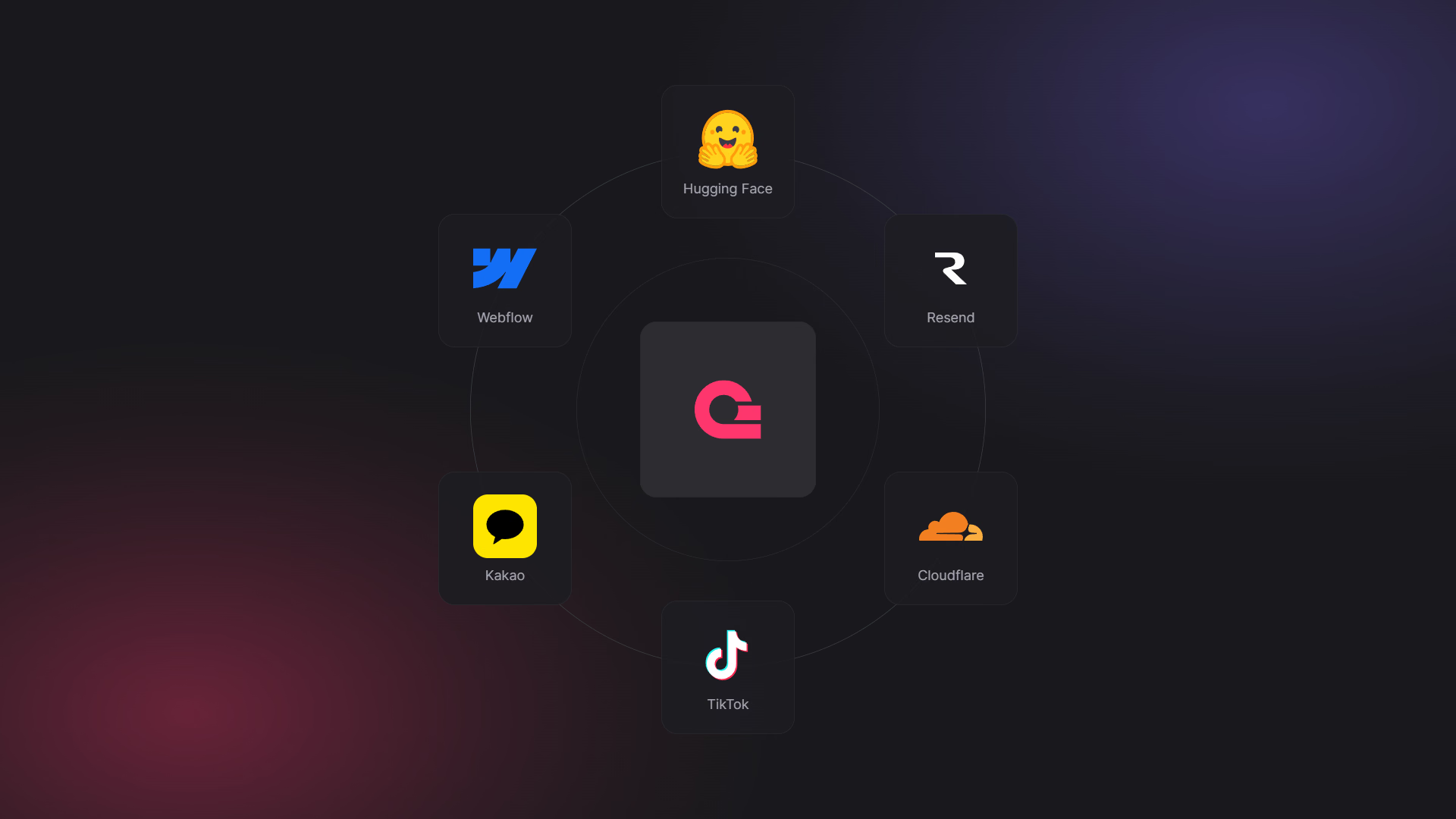
Appwrite Auth now supports OAuth2 login with Hugging Face, Resend, Cloudflare, TikTok, Kakao, and Webflow. See what each returns and how to add it to a server-side app.
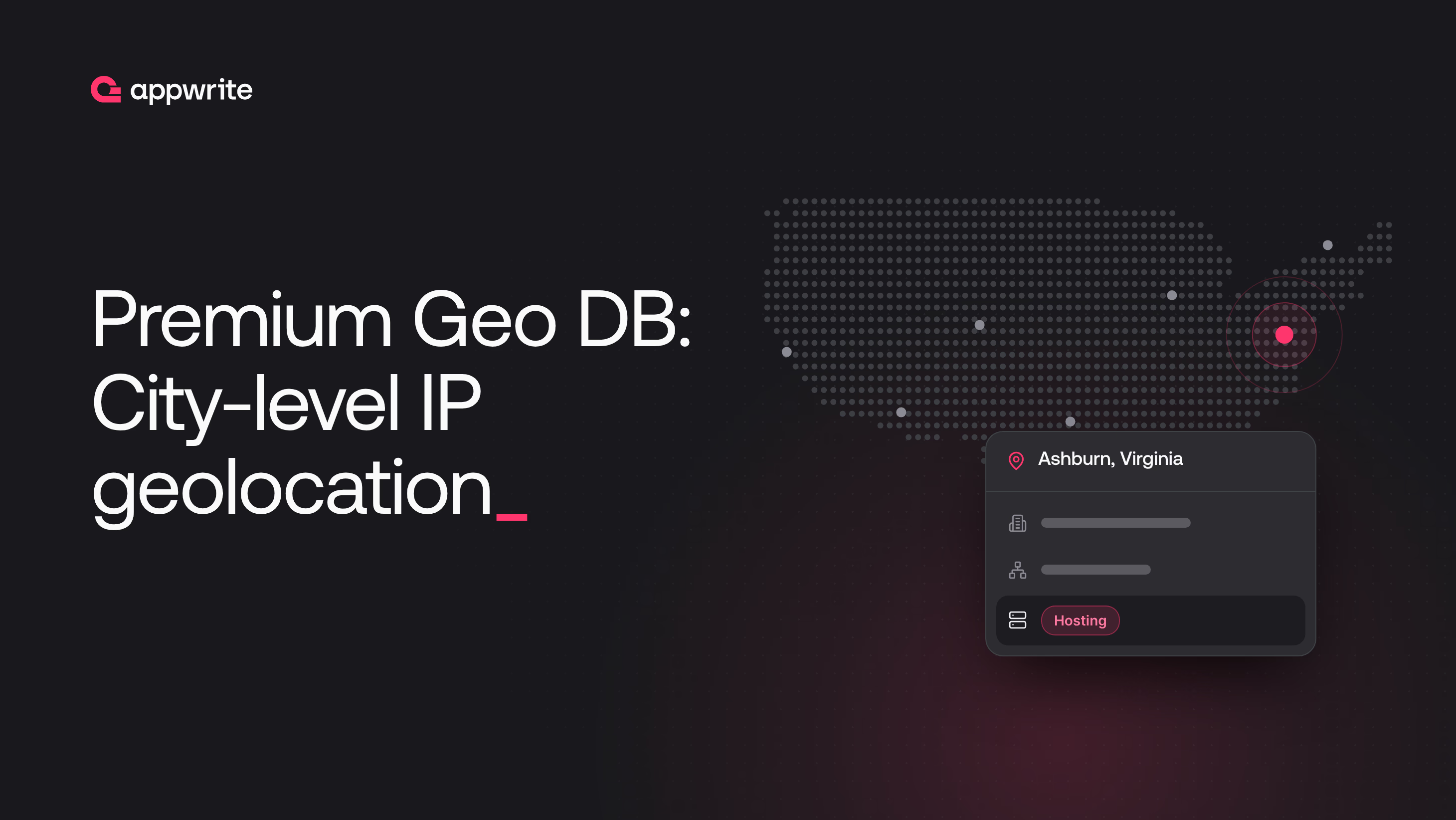
Premium Geo DB adds city, time zone, ISP, ASN, and connection type to IP geolocation on Appwrite Cloud, for Firewall rules, usage, and the Locale API.
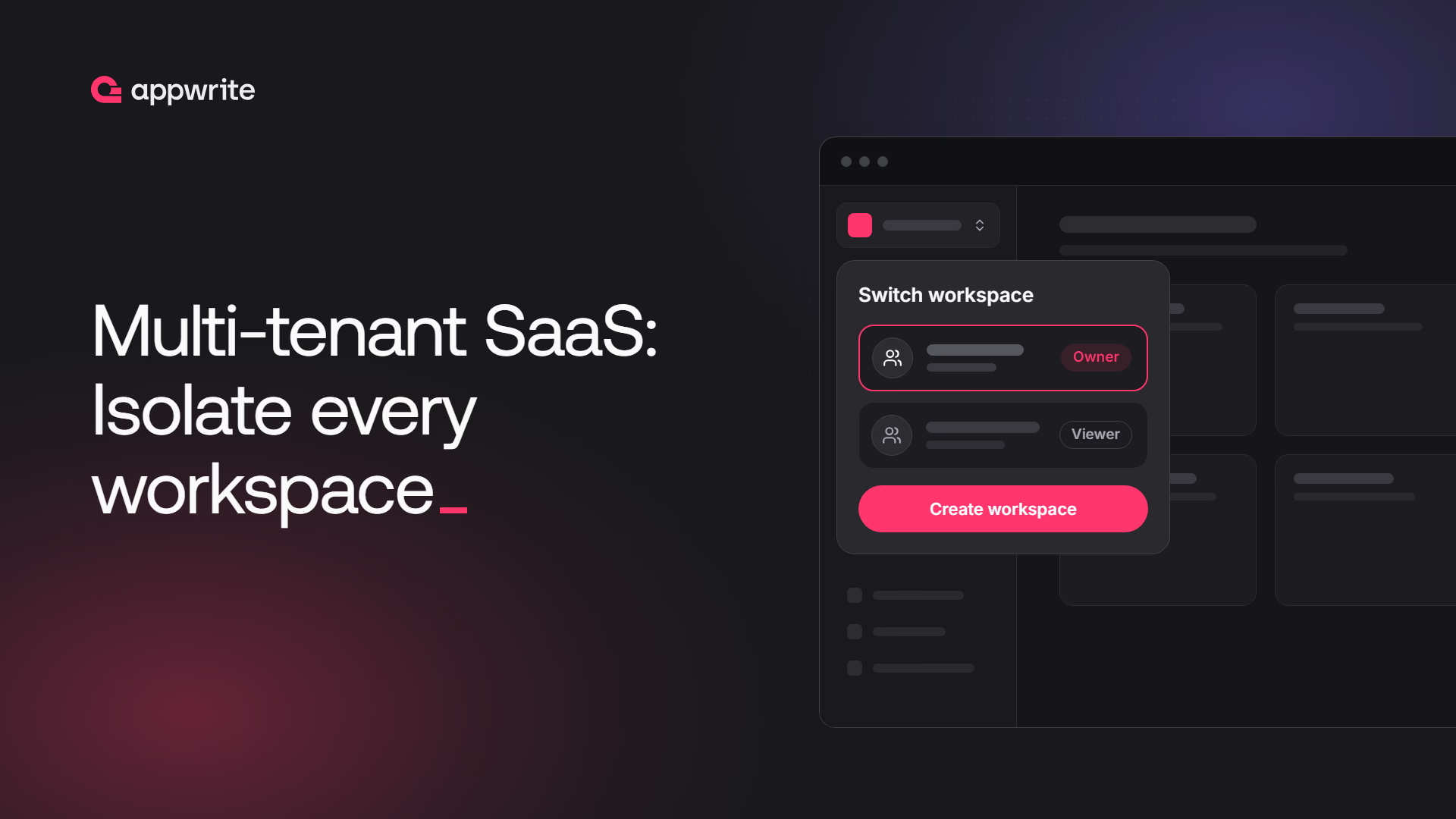
Step-by-step tutorial for building a multi-tenant SaaS app with Appwrite Teams for tenant isolation and DocumentsDB for schemaless data, using a real forms app.
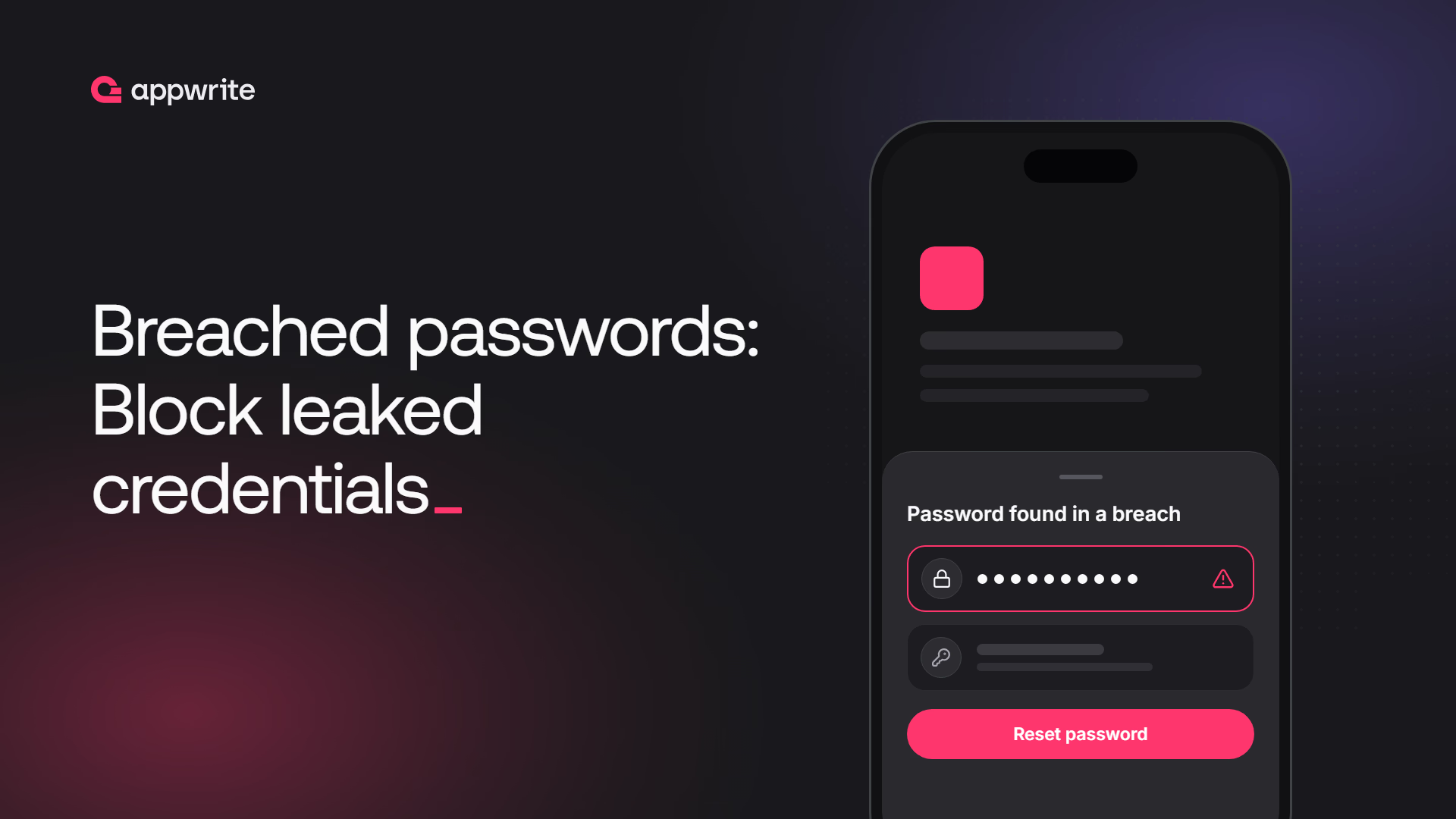
Appwrite Auth now checks passwords against Have I Been Pwned, so you can flag, reject, or block sign-in with passwords exposed in known data breaches.
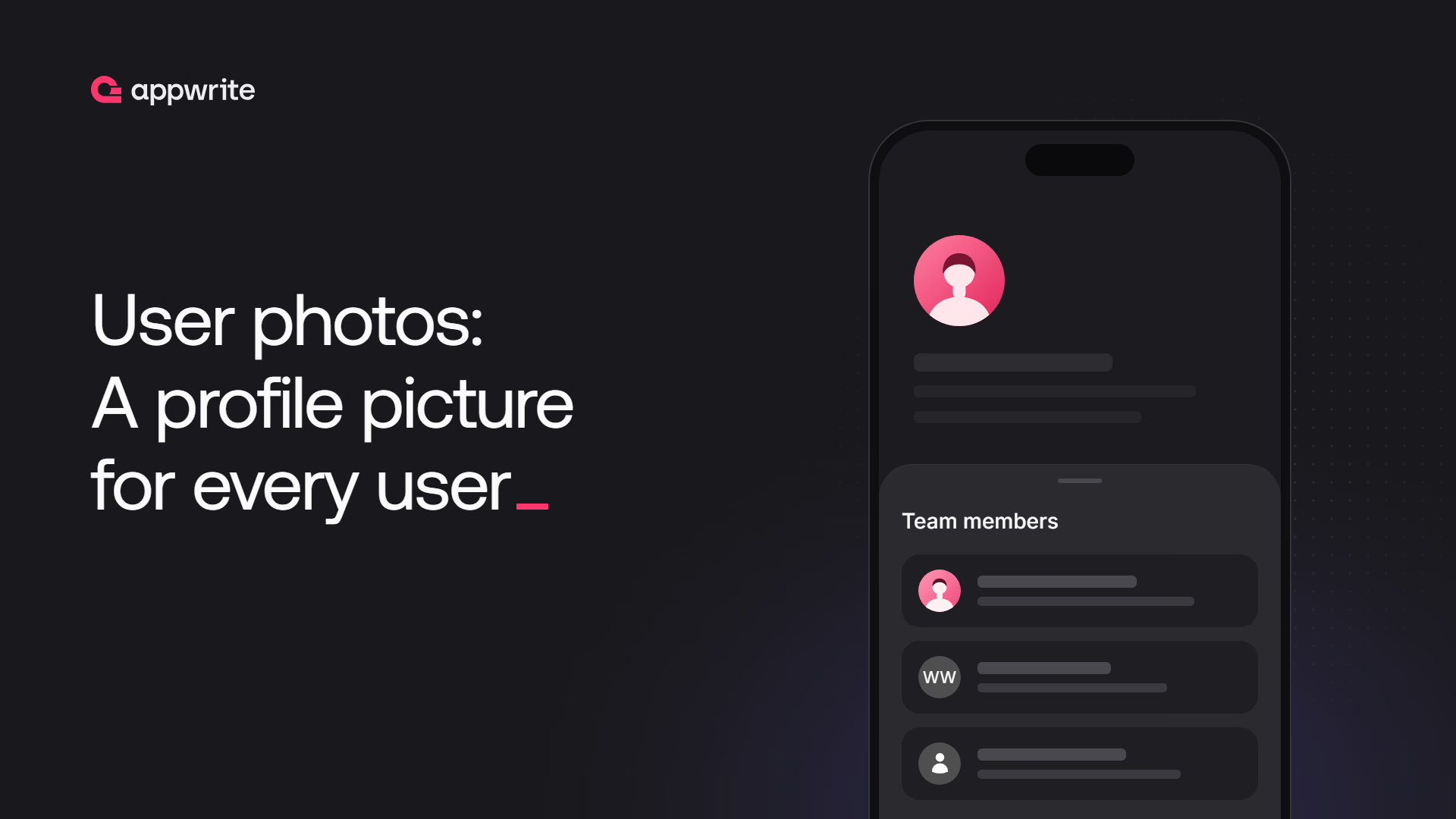
Appwrite Avatars now returns a profile photo for any user with one getPhoto call, resolving OAuth2 photos, Gravatar, Libravatar, and initials in order.
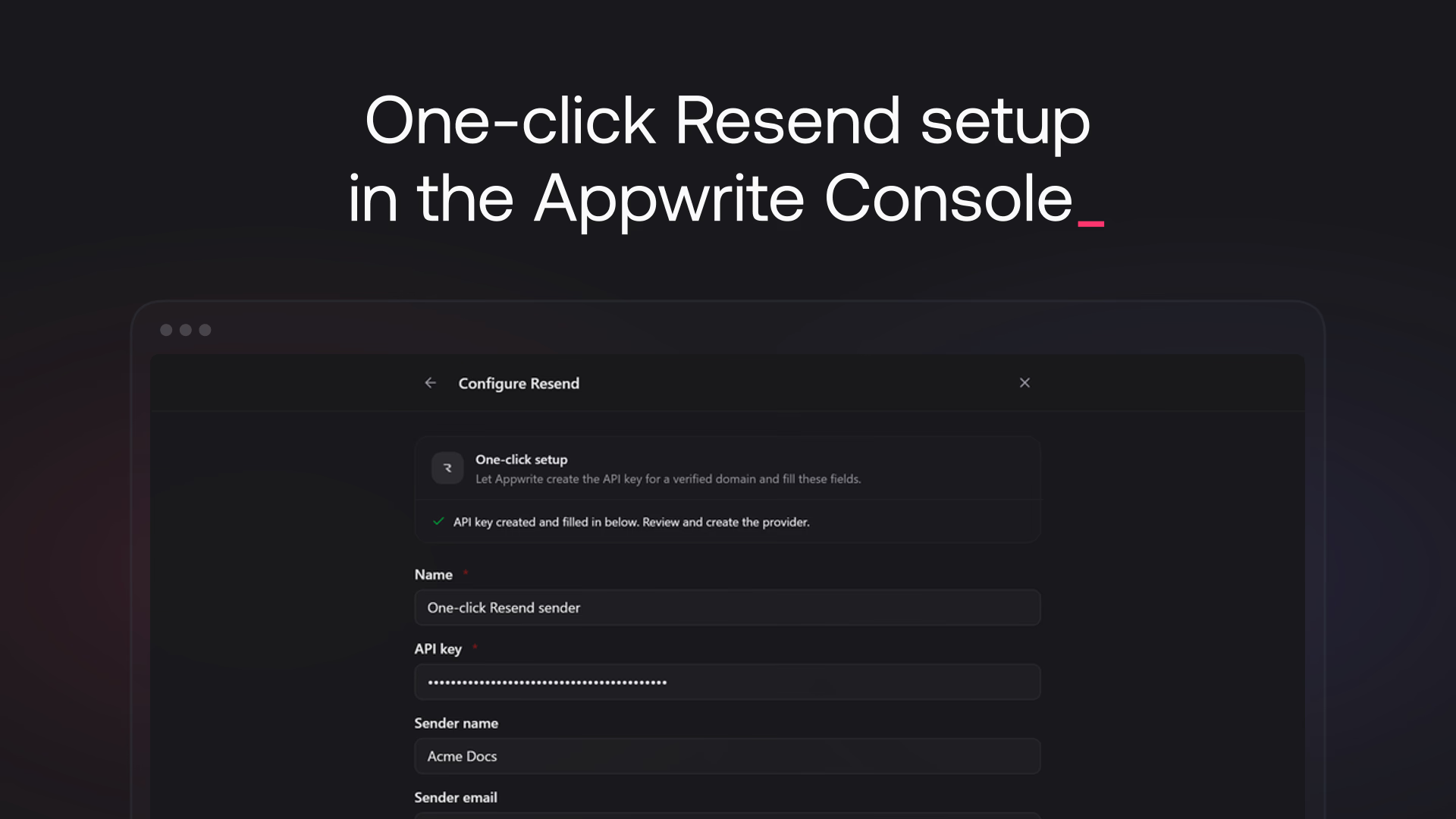
Connect Resend once and Appwrite creates a sending-only API key, fills in your project SMTP settings or Messaging provider, and enables it in one click.
Appwrite is now an official ChatGPT plugin. Connect your account to explore projects, manage resources, and use the same plugin within Codex to build apps.
The Appwrite Terraform provider now carries the Partner Premier badge on the HashiCorp Terraform Registry. Learn what the tier means and how to use the provider.
Appwrite Sites now mints a scoped, short-lived API key for every build and SSR request, so server-rendered sites call your project without storing a key.
Object storage keeps files in the cloud and scales with your app. Learn how it works, where it fits, and when to choose it over file or block storage.
Compare file, object, and block storage, including how each works, key differences, costs, performance, scalability, and the best use cases in cloud.
OAuth is an open standard that lets apps access user data from another application without sharing passwords. Learn how OAuth 2.0 works, its flows, and how to add it to your app.

Learn how solo founder Marti Mestre Faus built Lorari on Appwrite Cloud and onboarded 130+ yoga and pilates studios serving 13,000 students in seven months.
A storage bucket is a container for files in cloud object storage. Learn how buckets work, what they're used for, and how to keep your stored data secure.
Learn what a vector database is, how embeddings and similarity search work, its top AI use cases, key tradeoffs, and how to choose the right one.
Appwrite Domains brings registration, DNS, and TLS into your organization. Buy names across 160+ TLDs, host the zone, and connect Sites and Functions.
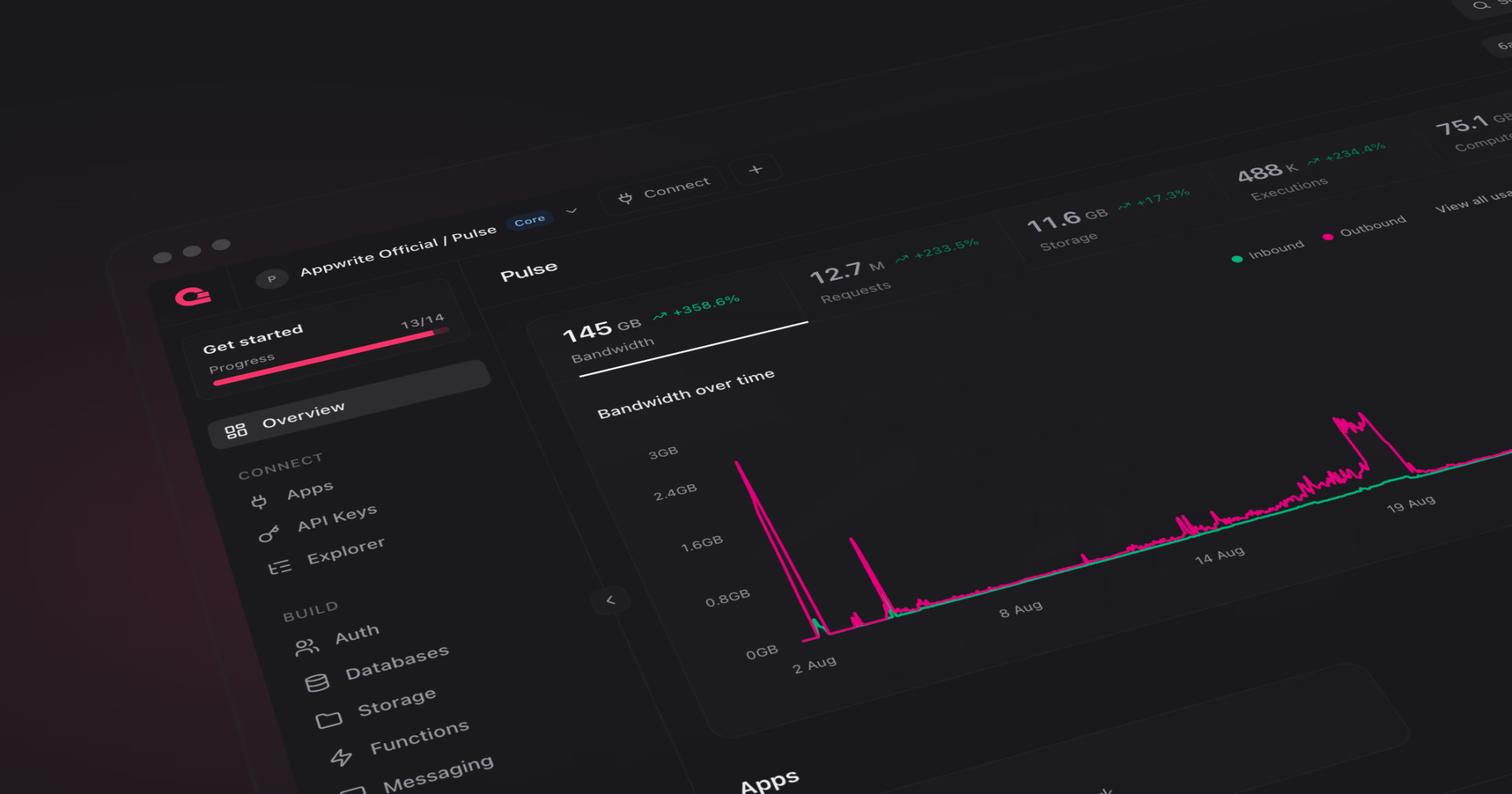
Console IV puts the docs, CLI, Explorer, and your projects in one app so you stop bouncing between the IDE, docs, SDKs, terminals, and the agent.
Cursor Origin vs GitHub: how Cursor's new code hosting handles repos, pull requests, and GitHub sync, and what actually changes in your daily workflow.
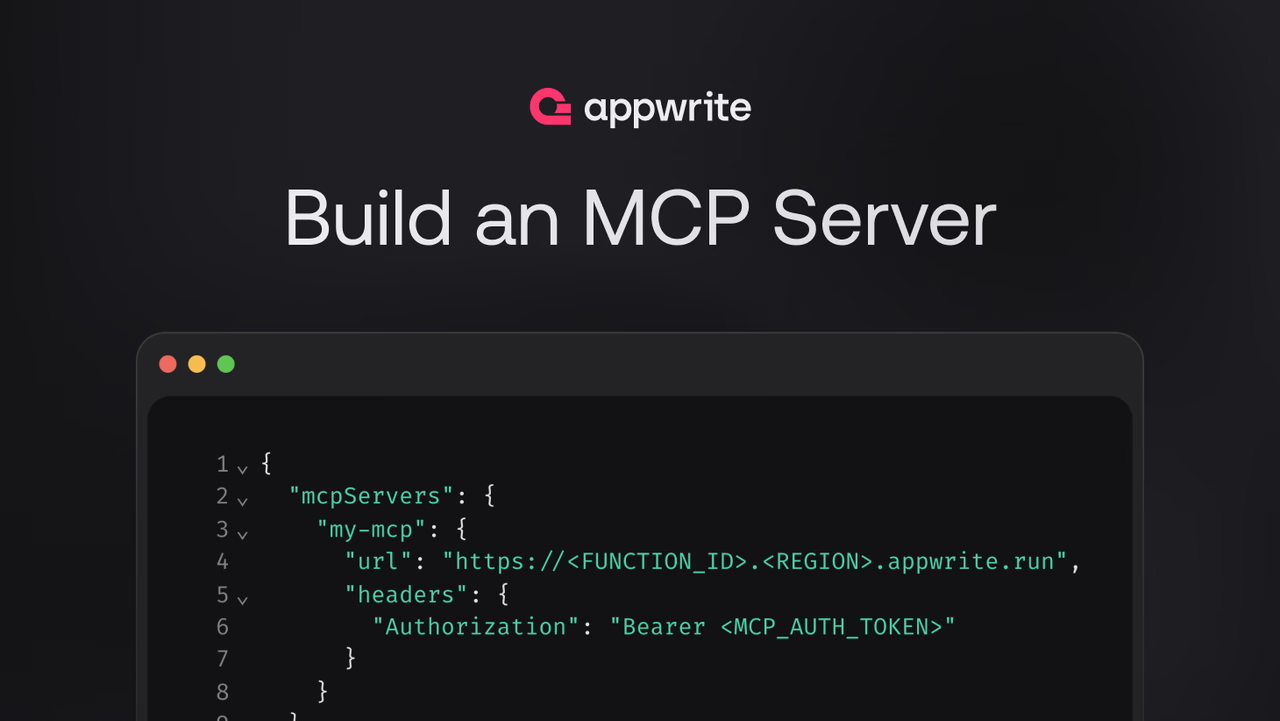
Learn how to build a financial analysis MCP server with Appwrite Functions, TablesDB, and custom tools for statements, cash flow, and portfolio insights.

Next.js 16.3 lands with client-side caching, up to 90% less dev server memory, disk cached builds, and opt-in Instant Navigations. Here is how to upgrade.
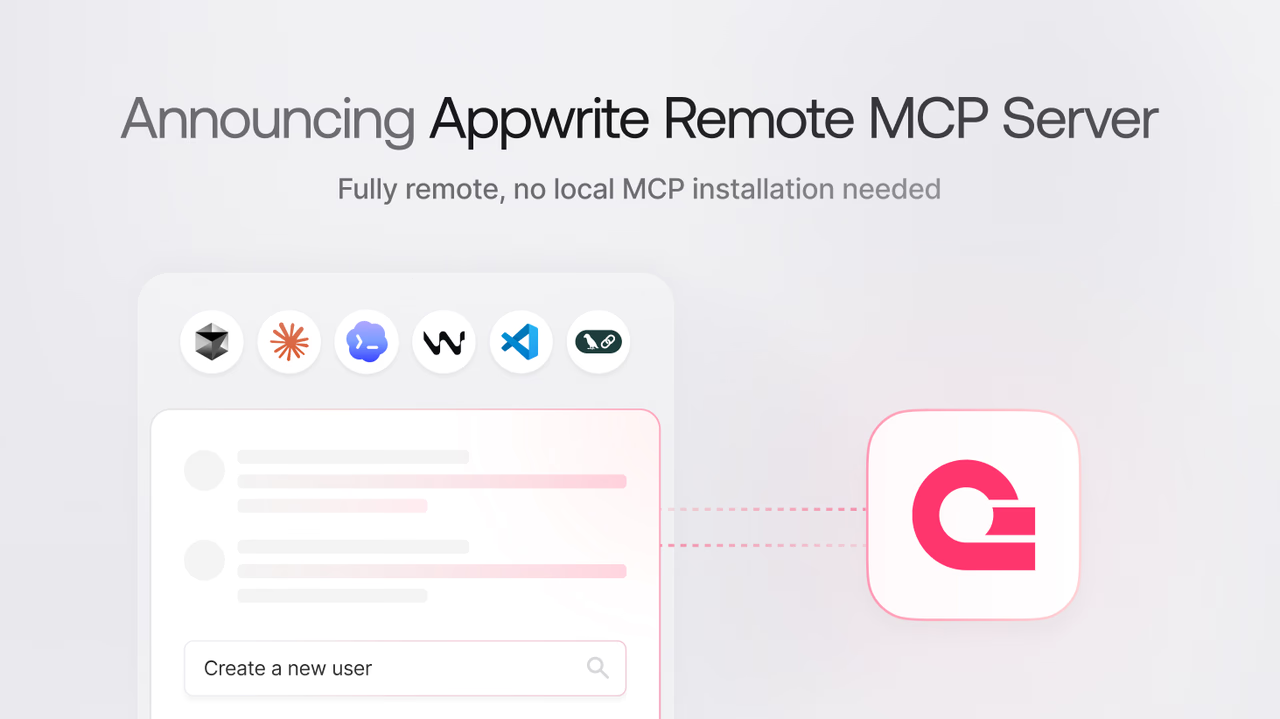
The Appwrite MCP server is now a hosted remote server. Add one URL to your AI tool, sign in with OAuth, and start building. No installs, no API keys, nothing to keep updated.

The MCP 2026-07-28 spec drops sessions, adds header based routing, cacheable lists, and MRTR. Here is what changed and what you need to migrate your servers.
Learn what CRUD means, how create, read, update, and delete map to APIs and databases, and how to build CRUD apps faster with Appwrite.
Learn the difference between synchronous and asynchronous programming, how blocking and non-blocking code works, and when developers should use each.
Learn what MCP is, how Model Context Protocol works, its architecture, tools, resources, prompts, APIs, and how developers can start building with it.

A new Appwrite API for short-lived user statuses, with built-in Realtime channels, automatic expiry, and permission-aware subscriptions.
Vibe coding vs traditional development compared by speed, code quality, debugging, scaling, and production readiness, with where each one actually fits.
Deployment retention lets you automatically delete inactive Appwrite Functions and Sites deployments while keeping deployments within the retention window available for rollback.
The best frontend frameworks for vibe coding in 2026: Next.js, SvelteKit, React, Nuxt, Vue, Astro, and TanStack Start, with what each one is good for.
Vibe coding produces code at a junior developer's pace, but it does not replace the role. Here is what actually changes for hiring, mentorship, and team shape.
What to look for in a backend for vibe-coded apps: MCP, scoped keys, typed primitives, and the trade-offs between Appwrite, Supabase, Firebase, and Convex.
25 concrete startup ideas a solo founder can build with vibe coding tools like Cursor, Claude Code, and Lovable, plus the backend primitives each one needs.
The Appwrite plugin for Codex bundles agent skills with one remote MCP server, so Codex can build with Appwrite out of the box.
Compare Appwrite and Cloudflare as a stateful AI agents backend, from memory and state patterns to Auth, Databases, Storage, Functions, Realtime, and MCP.
Appwrite vs Supabase AI: compare Auth, databases, Storage, Functions, Realtime, Sites, MCP, and self-hosting for AI-generated apps.
A shortlist of serious BaaS platforms (Appwrite, Firebase, Supabase, AWS Amplify) and where to read a vendor-neutral comparison table.
How Lovable users can pair Appwrite as the backend for AI-generated apps, with Auth, tables, permissions, Storage, and Functions.
A look at what recent security incidents teach us about modern app development, and how Appwrite's built-in security features help protect the apps you build and the users who rely on them.
An AI backend is the durable layer behind AI-native apps. Here is what it contains, how it differs from a traditional backend, and how to evaluate one.
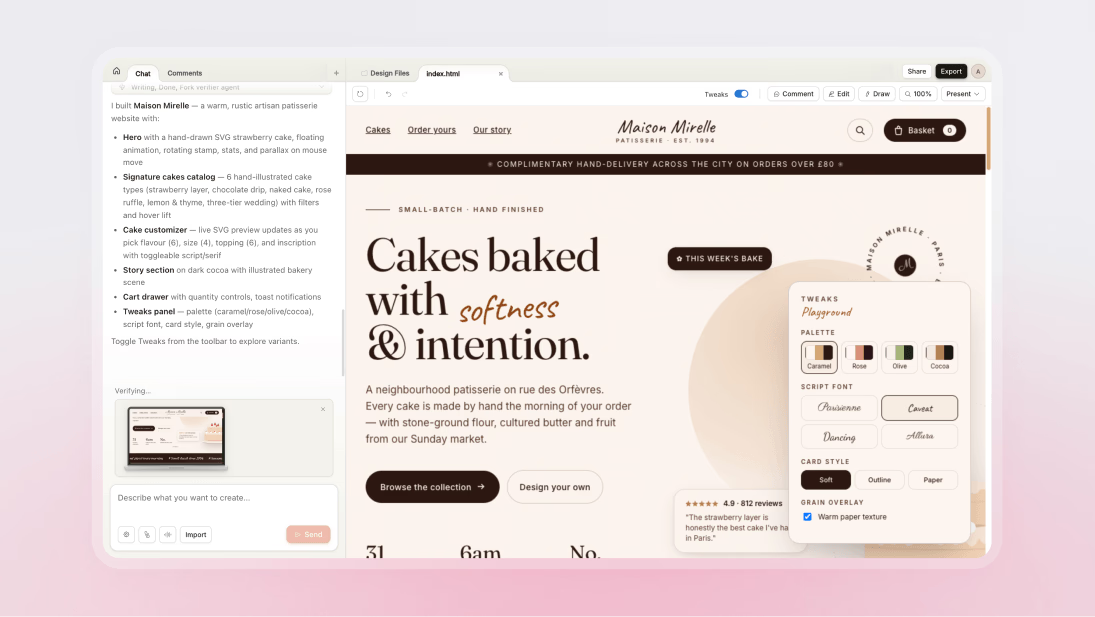
Anthropic just launched Claude Design, a new Labs product for creating polished designs, prototypes, and decks by talking to Claude. Here's what it does and why it matters for developers.

Anthropic dropped a design tool that turns prompts into code-powered prototypes and hands them straight to Claude Code. Is this the end for Lovable, or are we comparing apples and oranges?
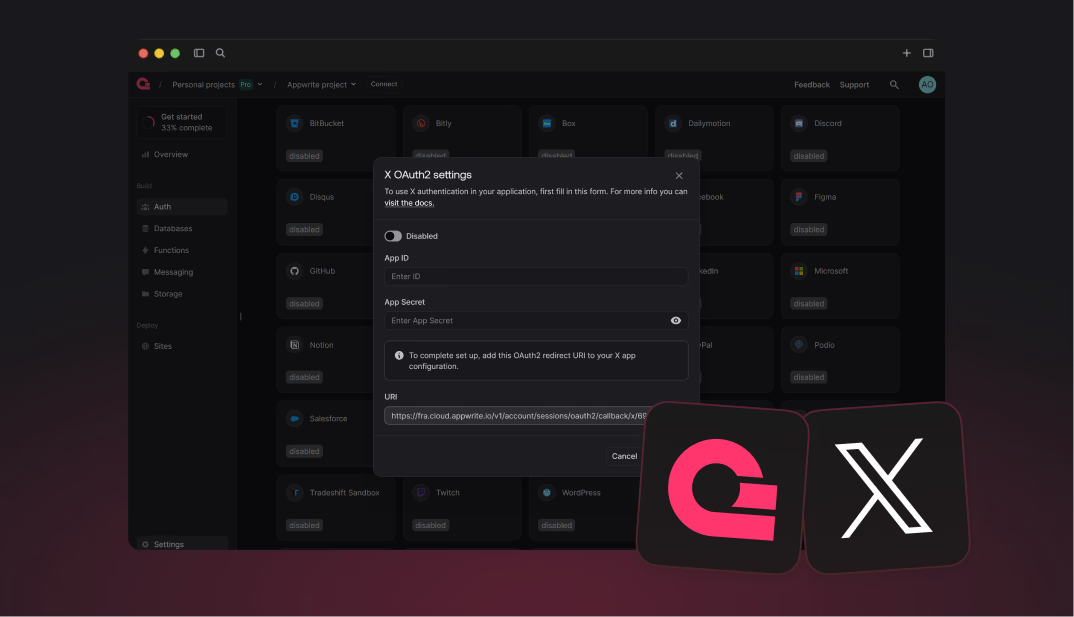
Appwrite now supports X (formerly Twitter) OAuth2 login. Learn how to add it to your app in minutes.
Choose the right database for AI workloads. Learn when MongoDB fits dynamic, high-write AI data and how Appwrite lets you build on it without managing backend infrastructure.
Learn why AI teams prefer NoSQL databases when scaling from prototype to production, covering data velocity, schema flexibility, horizontal scaling, and real-world use cases.
Learn how to deploy the CRM dashboard template powered by React Admin on Appwrite Sites, configure it with your Appwrite project, and customize it to your needs.
Learn what indexes are in Appwrite Databases, which types to use, when to create them, and when adding more indexes actually hurts performance.
Understand the difference between Appwrite's Client and Server SDKs, when to use each one, and how to avoid common security mistakes in your app.

Learn how the createOAuth2Token flow works in Appwrite, how to configure providers, retrieve user profile data, and handle access token refresh for 30+ providers.
A complete guide to Appwrite Functions covering triggers, execution modes, deployment options, permissions, and practical use cases for server-side logic.
A complete comparison of every Appwrite auth method, from email/password to OAuth2, magic URLs, OTP, and MFA, with guidance on when to use each.
Learn how Appwrite Realtime uses WebSockets to push live updates to clients, what channels are available, and when polling is a better fit.
Appwrite vs Cloudinary compared for file storage and images: transformations, CDN delivery, access control, pricing, self-hosting, and when each fits best.
What Vercel and Netlify actually provide versus Appwrite's full-stack platform, and how to decide between consolidating your stack or mixing services.
An honest look at the trade-offs developers make when choosing Firebase: vendor lock-in, pricing at scale, and data ownership versus open-source alternatives.
A practical guide to Business Associate Agreements for developers building healthcare apps, covering what they include, when they apply, and how to get them.
The real trade-offs between self-hosted open-source backends and managed SaaS platforms, and how to decide which approach fits your team's situation.
A practical guide to implementing file uploads in your application using Appwrite Storage, covering setup, upload, access control, and image transformations.
A look at the open-source BaaS landscape, what to evaluate when choosing a platform, and why open-source matters for backend ownership and cost control.
The architectural decisions and platform choices that let small teams build backends that scale gracefully without managing complex infrastructure.
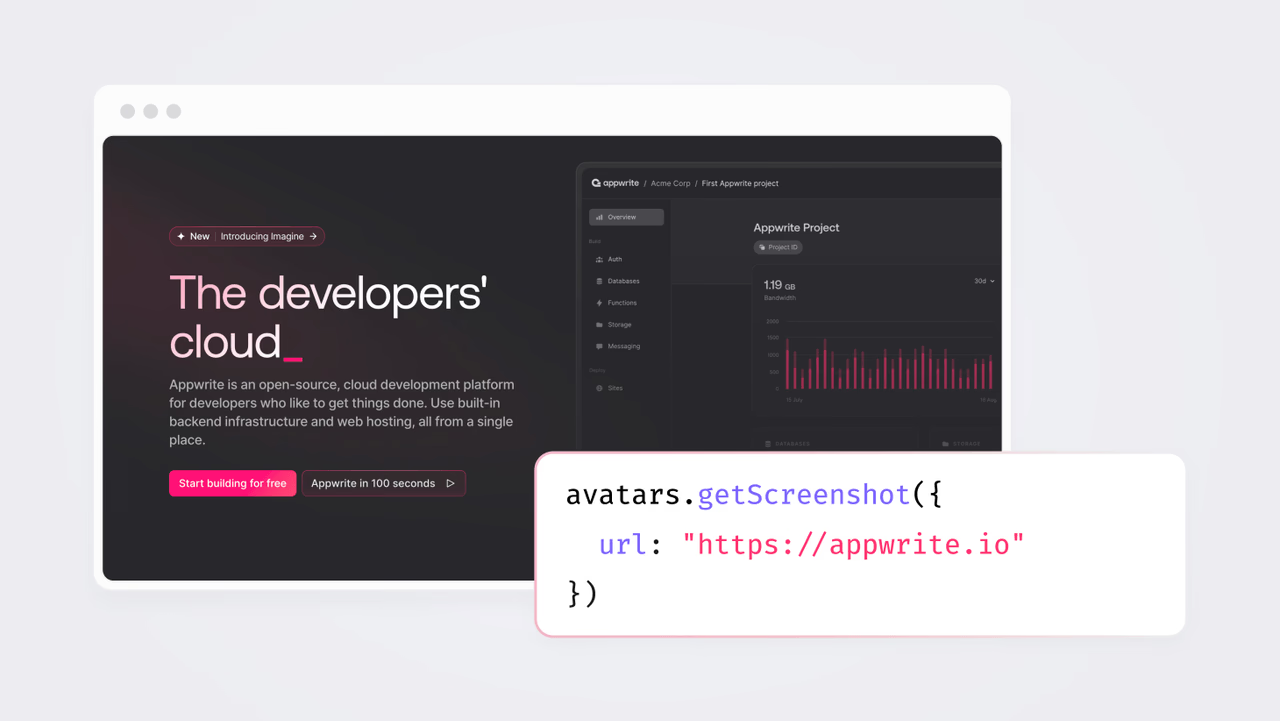
Appwrite's new Screenshots API lets you generate screenshots of any public webpage with a single API call. Control browser environment, device settings, locale, and more without needing to configure your own headless browser infrastructure.
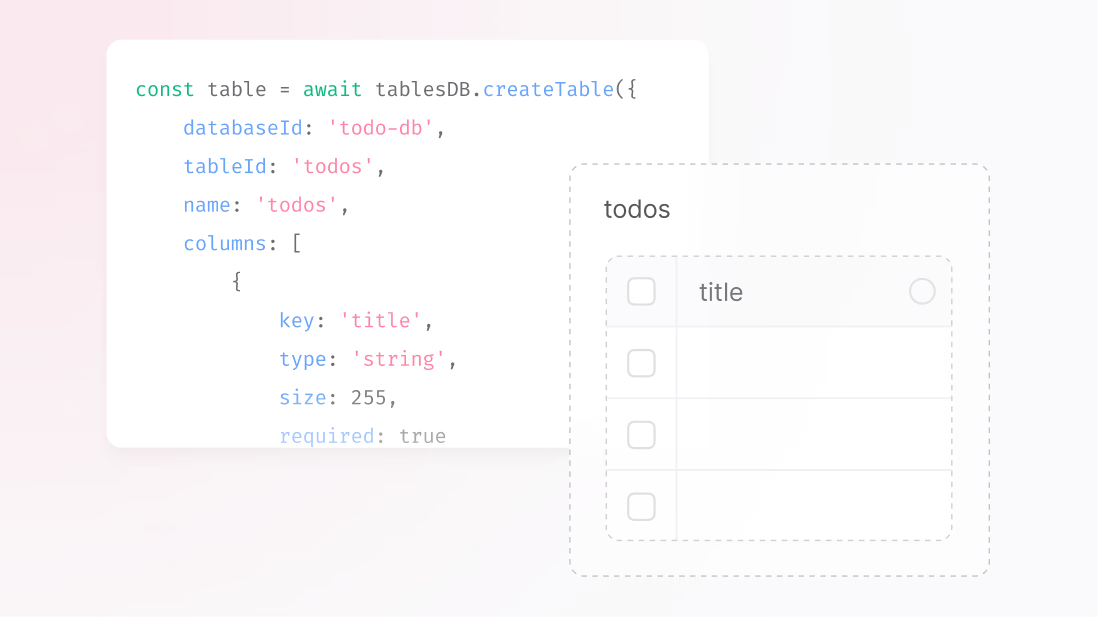
Create a table, all its columns, and indexes synchronously, ready to use instantly, with no background jobs.

Discover how the team at Paradox used Appwrite Cloud to save 10,000+ engineering hours and $1M+ in overhead costs to build Radar.
Discover how Appwrite Cloud seamlessly powers Socialaize's growth, handling 200K to 600K daily function executions and delivering enterprise-grade infrastructure while creating annual savings of up to 300% on backend costs.
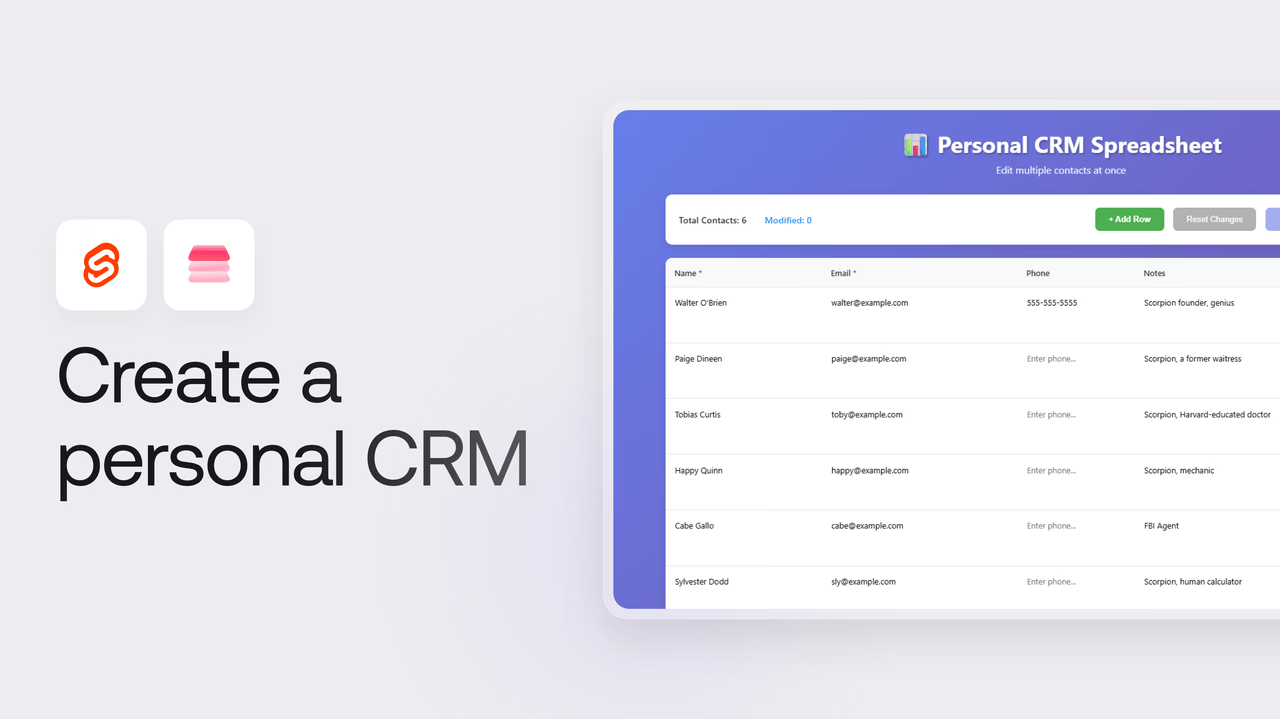
Learn how to build a personal CRM with SvelteKit and Appwrite Databases.
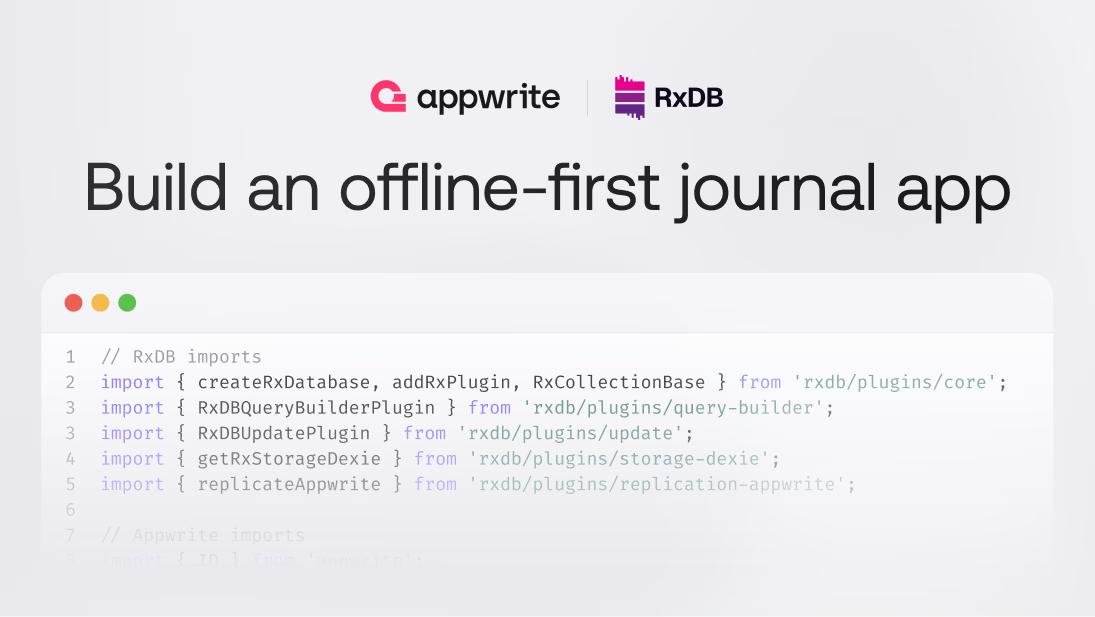
Learn how you can use RxDB to setup data replication and enable offline synchronization with Appwrite Databases in a JavaScript app.

Learn how Devkind improved store monitoring for merchants while reducing development time, lowering server costs, and enhancing app performance using Appwrite Cloud.
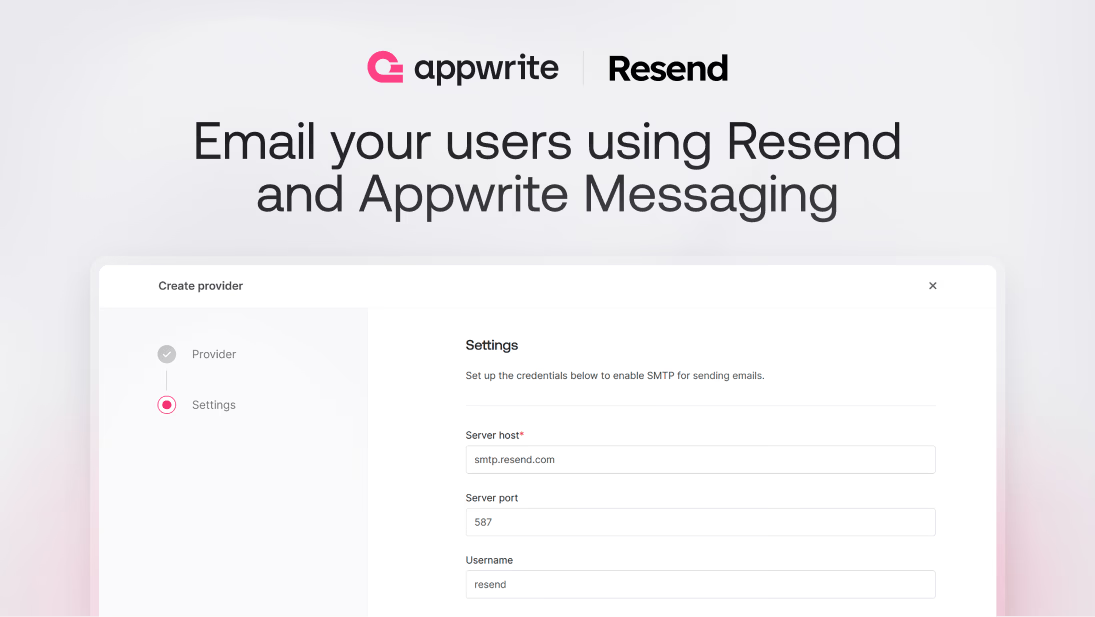
Learn what Resend is and how to integrate it using the SMTP provider in Appwrite Messaging.
Appwrite partners up with GitHub for the Appwrite Education program. Together we enable future developers.
Explore the essentials of user authentication with tips, best practices and common pitfalls to secure your app and improve user experience.
In this blog, we’ll explore the most popular methods for backup encryption and why encrypting is important.
Learn about OTP SMS, its pros and cons, and whether you should stop using it for authentication.
Compare BaaS platforms: Firebase, Supabase, Appwrite, Amplify. Open source, self-hosting, pricing, lock-in. Technical overview for senior developers.
Discover the 7 best app development frameworks for building high-performance iOS and Android apps and choose the best one for your project.

All you need to know about GDPR compliance for startups, the do's, don'ts and best practices.
Get a comprehensive comparison between FCM and Appwrite's Messaging service, an open-source Firebase alternative and choose the service that works for you.
Get a comprehensive comparison between Appwrite and Auth0 to decide which platform is best for your authentication needs.

Learn how to ensure your mobile app protects user privacy while meeting GDPR.
What is Golang and why should you try it out?
Compare the serverless functions of Appwrite, Supabase and Firebase.
We are beyond excited to announce the launch of our brand-new Appwrite Integrations Catalog.

Learn how UNDO has leveraged Appwrite to transform logistics and supply chain management for circular businesses, supporting 5 businesses with over 9000 articles within 6 months of its inception.
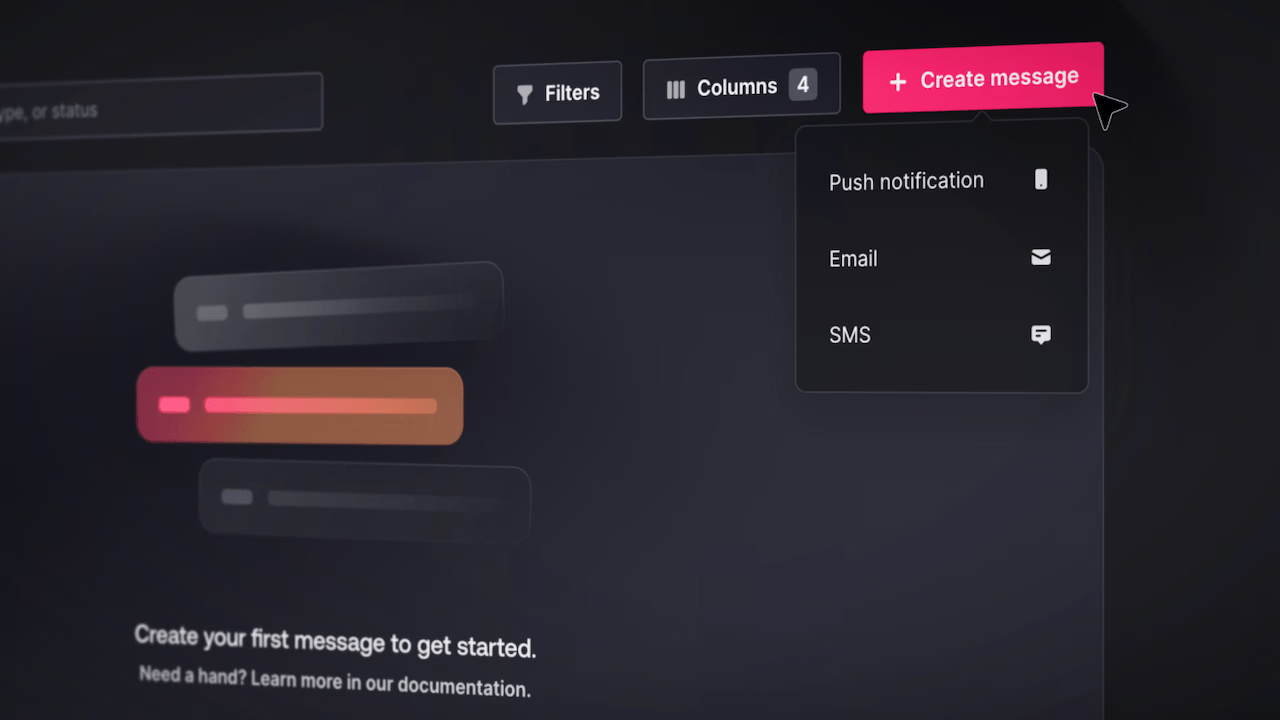
Learn about Appwrite Messaging and how it works under the hood

Learn how to attract contributors to your open source project - tips from a 42K Github star project.

Discover whether BaaS or a custom backend is the best fit for your freelance projects. In this blog we weigh the pros and cons to help you make the right choice.

Boost your developer experience with Appwrite using these awesome tools.

Add any custom authentication flow to your applications.

Learn how LangX used Appwrite to develop an open-source language exchange platform similar to Tandem and support thousands of learners all around the world.
Learn how App Innovators used Appwrite Cloud to decrease costs and deliver education about psychoactive substances to over 12,500 consumers via the Open Mind app.
Understand how email OTP authentication works and how you can implement it in a SvelteKit application.
Learn how you can use Appwrite Functions and OpenAI to chat with popular characters such as Batman.

Understanding what passwordless authentication is and how it is a game-changer for both user experience and security.

Understanding what passwordless authentication is and how it is a game-changer for both user experience and security.
Let's discuss the pros and cons of social media authentication and the delicate balance of convenience and privacy surrounding it.

Compare PlanetScale Databases to Appwrite Databases so you can understand whether Appwrite is a viable alternative to PlanetScale's free-tier.

How OAuth and OpenID Connect work and why they are beneficial for application security.

Learn how mySHOEFITTER utilized Appwrite Cloud and AI to enable over 12,000 customers to get their shoe size with an accuracy of 2 mm, solving a massive supply chain problem in the shoe industry.
Get a comprehensive comparison between Appwrite and Supabase to decide what platform to use for your project's backend.
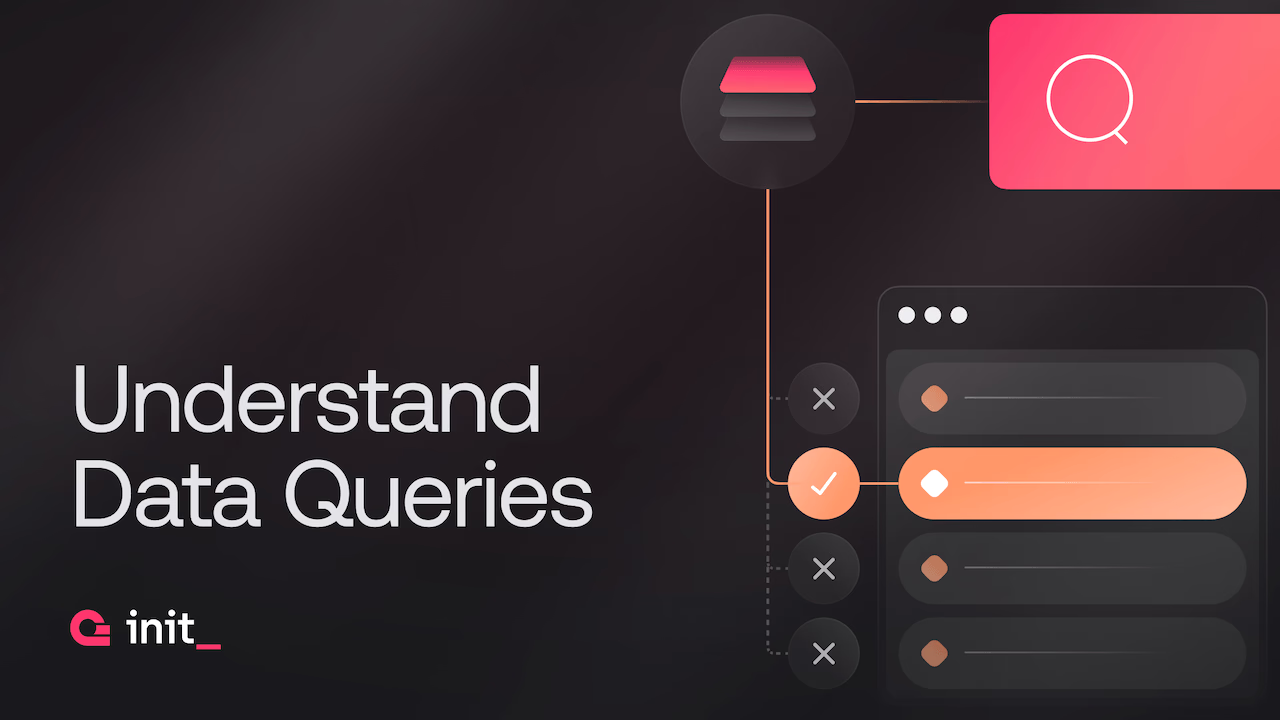
Learn about the different types of data queries, shedding light on their functions and best practices.
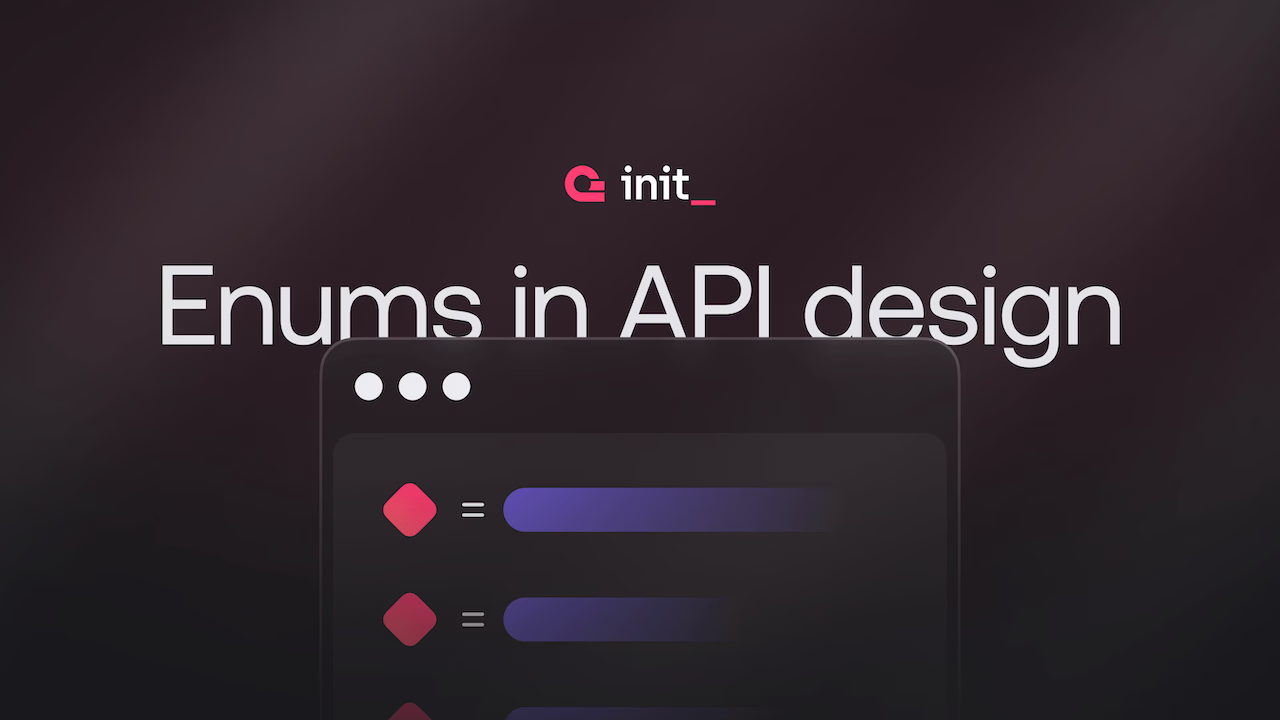
Learn how enums enable effective and robust communication between different software.
Understand the importance and process of integrating 2FA into your applications, enhancing security, and protecting user data effectively.

Learn about the different types of push notifications and best practices for sending them.
Get a comprehensive comparison between Appwrite and Firebase to decide what platform to use for your project's backend. And learn how Appwrite's open source nature allows you total control of your project's data.
Learn how Appwrite Cloud simplified their development process and accelerated productivity for Majik Kids as they worked 100s of artists, including musicians, voice artists, and illustrators, to build an alternative content platform with a focus on audio storytelling, creating a healthier learning experience for children.

Learn what Bun really is, how it compares with Node.js and Deno, and how you can build apps with Bun and Appwrite.

Find out why it is important to ideate in a hackathon and how you can make this process easier for yourself.
Learn how Appwrite helped K-Collect develop a scalable SaaS platform for K-pop photo card management and grow their audience to over 50,000 consumers while decreasing infrastructure costs by 700%.
Learn how Smartbee leveraged Appwrite to build a performant and robust system to monitor and aggregate gas level data in real-time for 7 coal mines in Columbia.

Learn about password hashing algorithms and how they help secure user credentials in your application.

Why it is necessary to implement strong password protection policies in your app and best practices to follow.